IN AN era when newspapers all over are being cannibalised by digital platforms and short-term owners obsessed with cuts and clicks, the launch of The National is a clear move that bucks the trend.
It is a vote of confidence in South African journalism put where words rarely go any longer: into real investment, proper newsrooms and pay packets that allow journalists to do their work without fear.
Backed by international investors and driven by a commercially sustainable business model, The National is part of Sekunjalo Group’s calculated bid to fix what years of neglect have broken in our media. This is not charity. It is capital with teeth aimed at rebuilding an industry hollowed out by cost-cutting and cowardice.
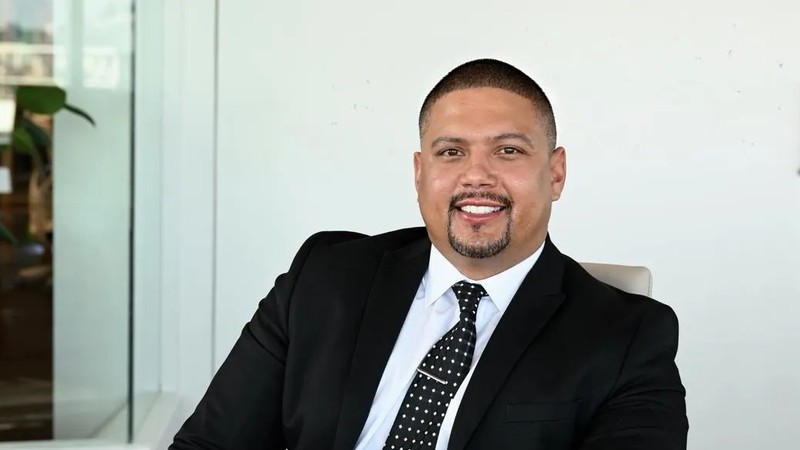
Group Chief Executive Officer (CEO) Lucien Jacobs refuses to peddle nostalgia. He says the market still needs journalism that people trust.
“South Africa needs trusted media institutions that are financially sustainable and editorially strong,” Jacobs said. “Our vision is to establish a leading national media platform built on quality journalism, editorial excellence and commercial sustainability. We believe there is still considerable demand for credible print publications that provide depth, context and accountability in reporting.”
That sentence should sting the executives who sold newsrooms short and the shareholders who preferred short-term returns over investigative reporting. While many publishers shrank their footprints and outsourced expertise, The National plans to rebuild a full-service publishing arsenal: national, business, weekend, regional and vernacular newspapers. It is an explicit rejection of the idea that print is dead when properly funded and boldly led.
Crucially this expansion will include publications in isiZulu, isiXhosa and other indigenous languages. That is not just tokenism. It is an admission that mainstream media failed entire communities for decades and that those failures had real costs for civic life. Allowing marginalised communities to tell their own stories is a basic corrective, and it should embarrass anyone who presided over their exclusion.
“The National will be a platform where every South African can see themselves reflected,” Jacobs said. “We want to provide space for voices that were marginalised for generations under apartheid while maintaining the highest standards of professional journalism.”
Expect coverage that runs the gamut: politics, business, investigations, sport, lifestyle, current affairs, arts and culture, opinion and thought leadership. In plain terms this means the newsroom will have the capacity to hold elites to account rather than file harmless press releases and executive puff pieces.
Jacobs nails the point that money and editorial independence are inseparable. “The future of journalism depends on building businesses that are commercially viable. Sustainable journalism creates sustainable employment and allows newsrooms to invest in investigative reporting, talented journalists and innovation.” Those words underline a truth many in the industry have ignored: You cannot cut your way to accountability.
The timing is deliberate. South Africa’s newspaper industry has been in retreat for a decade. The death by attrition of titles across the country exported expertise out of newsrooms and into unemployment lines. Hundreds of seasoned journalists, photographers, designers, sub-editors and production specialists were forced out as long-established mastheads closed or shrank.
That loss was not inevitable. It was a policy choice by owners who embraced decline. “The National presents an opportunity to invest once again in South African journalism and in the talented professionals who have dedicated their lives to informing our democracy,” Jacobs said. For once the rhetoric is backed by recruiting already under way across editorial, photography, videography, design, circulation, marketing and commercial divisions.
Sekunjalo’s objective is to build an integrated media business capable of serving readers across multiple communities while creating meaningful employment across the publishing value chain. That ambition should unsettle competitors who have accepted lower standards as the price of survival.
This is not merely about profit. Jacobs insists a healthy democracy requires a diverse, competitive media landscape. “A strong democracy requires a strong, competitive and diverse media sector. Investment in journalism should always be welcomed because it strengthens public debate, creates employment and gives citizens greater access to credible information.”
Those are hefty claims, but if matched by independent editorial practice they threaten the comfortable silence of many powerful players.
Jacobs says growth will be guided by sound commercial principles without surrendering public-interest journalism and editorial excellence. “Our focus is firmly on the future. We are investing in quality journalism, creating opportunities for journalists and building media businesses that can thrive for generations. We believe South Africans deserve trusted publications that hold those in power accountable, celebrate the country’s achievements and provide a platform for every community to be heard.”
The National’s impending success will prove a simple, inconvenient fact: Print, when supported by real money and a clear editorial vision, still matters. It will expose the flimsy excuses of those who declared newspapers dead, and it will restore capacity to investigate, expose and explain.
South Africans who care about democracy should not treat this launch as just another ownership shuffle. It is a test. If Sekunjalo and its partners mean what they say the result could be a revived pressroom that actually remembers its civic duty.
* Sizwe Dlamini is editor of the Sunday Independent.
** The views expressed here do not reflect those of the Sunday Independent, Independent Media, or IOL.


