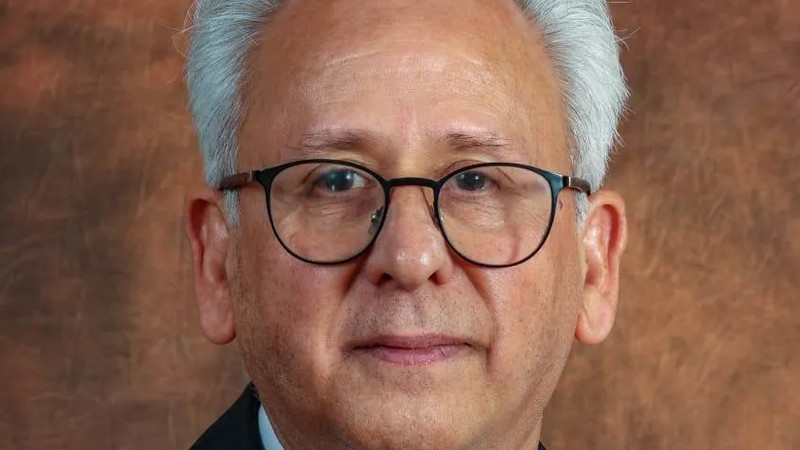
Acting Minister of Police Firoz Cachalia on Tuesday unveiled a sweeping “police reset agenda”, promising to rebuild the credibility of the South African Police Service (SAPS) through intensified anti-corruption measures, stronger crime intelligence, modernised policing systems and a renewed crackdown on organised crime.
Presenting the 2026/27 Police Budget Vote in Parliament in Cape Town, Cachalia said SAPS had been allocated R127.072 billion for the current financial year, rising to R135.8 billion by 2028/29.
“This Budget is not a silver bullet. But it is an important step towards a more capable, more honest, and more focused police service,” Cachalia said.
He said the budget formed part of a long-term strategy to rebuild policing institutions and restore public trust following mounting allegations of corruption and misconduct within sections of law enforcement.
“We are committed to bold police reset agenda to strengthen the fight against organised and violent crime by building a modern, professional and trusted police service that places the safety of our people first,” he said.
Cachalia acknowledged growing public frustration over crime and police inefficiency, saying South Africans wanted “a police service that is visible, responsive, disciplined and effective”.
Anti-corruption drive intensifies
The minister said corruption within SAPS procurement systems remained a major concern, warning that officials implicated in wrongdoing would continue to face arrest and prosecution.
“At the same time, we acknowledge that the SAPS, like other public institutions, particularly in its procurement systems, is bedevilled by systemic corruption. Those involved must and are being held accountable,” he said.
Cachalia revealed that a dedicated SAPS task team had been established to investigate referrals emerging from the Madlanga Commission, which is probing alleged corruption and interference within policing structures.
“The Task Team is making progress. Arrests will continue, as we recently saw with Brown Mogotsi,” he said.
He also announced an overhaul of SAPS procurement and supply chain management systems in partnership with National Treasury’s Government Technical Advisory Centre to improve transparency and operational efficiency.
Crime intelligence and detective prioritised
A significant portion of the budget will be directed towards strengthening crime intelligence and detective services, areas the minister described as critical to combating organised crime and violent criminal networks.
“Effective crime intelligence is necessary to fight organised crime; it must identify threats early, infiltrate organised criminal networks, prevent violent crime and guide operational deployments through credible information and analysis,” Cachalia said.
He confirmed that the Detective Critical Skills Allowance introduced in October 2025 would continue, with investigators receiving an additional R1 000 allowance to help retain specialised skills.
The minister also acknowledged severe pressures facing forensic services, including DNA analysis, ballistics, digital forensics and cybercrime investigations
Focus on gangs, guns and organised crime
Cachalia warned that organised criminal syndicates continued to threaten communities and the economy, saying gang violence remained rampant in several areas across the country.
“We are still in the middle of violent gang wars, despite ongoing efforts to restore safety and security,” he said.
Government, he added, had developed a new Organised Crime Strategy aimed at improving intelligence-led policing, cross-border cooperation and financial investigations targeting criminal syndicates.
To combat gun violence, SAPS will receive an additional R18 million for firearm licensing and compliance enforcement, while more than R200 million will be invested in a new digital Firearms Control Management System.
“Success has to be measured by criminal syndicates dismantled, convictions secured, illicit assets seized, and a reduction in organised criminal activity,” Cachalia said.
High-crime police stations targeted
The minister announced that government would focus intervention efforts on the country’s 50 highest-crime police precincts, where detailed operational assessments would be conducted.
“These assessments will evaluate leadership, staffing levels, operational readiness, detective performance and infrastructure requirements,” he said.
Police stations and mobile community service centres would also receive infrastructure upgrades as part of efforts to improve frontline policing and visibility.
Cachalia said the Police Modernisation Project would continue rolling out digital systems intended to reduce administrative burdens and allow more officers to focus on crime prevention.
Tougher discipline within SAPS
Cachalia signalled a tougher stance against police officers accused of serious crimes, saying members facing serious criminal charges should be removed from operational duties while investigations continue.
“Those convicted of offences involving dishonesty, corruption or violent crime including rape must face mandatory dismissal from the organisation,” he said.
He further pledged to strengthen whistleblower mechanisms and internal disciplinary systems to encourage the reporting of corruption within SAPS ranks.
Deputy minister warns of deepening accountability crisis
During the debate, Deputy Minister of Police Cassel Mathale said recent revelations emerging from the Madlanga Commission and parliamentary inquiries pointed to a deepening crisis of accountability within law enforcement institutions.
“The revelations playing out therefrom are concerning and are pointing to a deeper demand for rooting out corruption and for public trust in law enforcement to be strengthened, with more vigour and determination than ever before,” Mathale said.
Mathale outlined the budget priorities for the Independent Police Investigative Directorate (IPID) and the Civilian Secretariat for Police Service (CSPS), both of which are expected to play central roles in police reform and oversight.
IPID plans to reduce its case backlog by 13 500 cases over the next three years and recruit 25 experienced investigators to strengthen corruption investigations.
The deputy minister said IPID would also establish in-house forensic capabilities, including the recruitment of cyber forensic experts, crime analysts and financial data specialists.
GBV and community safety remain priorities
Government has allocated R1.6 billion towards combating gender-based violence and femicide (GBVF), with an additional R50 million directed to provincial interventions.
Mathale said IPID had finalised 132 rape investigations during the 2025/26 financial year, resulting in nine criminal convictions and 19 departmental convictions.
Meanwhile, government plans to roll out a structured national community patroller programme aimed at improving safety and visibility in high-crime areas.
“These patrollers will not do police work, and will be properly regulated, community-centred and implemented under SAPS coordination,” Cachalia said.
Concluding his address, Cachalia said rebuilding trust in SAPS would require sustained reforms and disciplined leadership.
“To the people of South Africa, we say; the work of rebuilding trust is continuing. Through disciplined leadership, measurable action and unwavering commitment, we will build a safer South Africa and a stronger, more trusted South African Police Service together,” he said.
IOL News
Get your news on the go. Download the latest IOL App for Android and IOS now.


