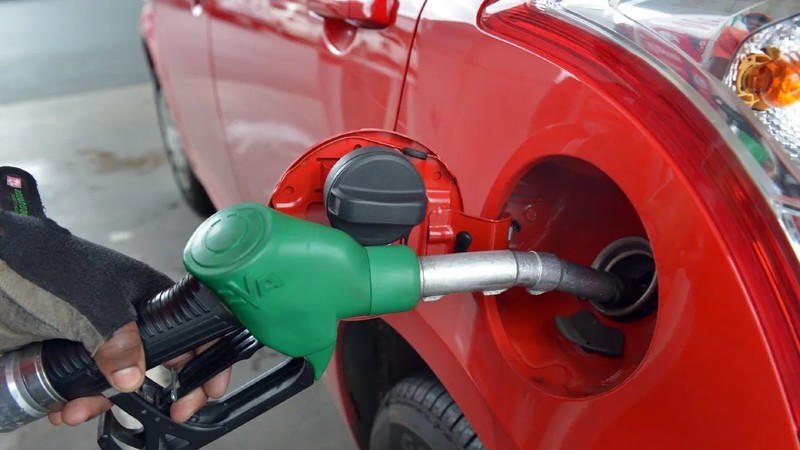
The ANC in Parliament has called on National Treasury to urgently reconsider fuel taxes and levies after an increase of about R3 a litre took effect on Wednesday, warning that the shock at the pumps would ripple through transport and food costs and hit struggling households hardest.
The ANC Study Group on Minerals and Petroleum Resources said the sharp increase, which took effect on October 7, was largely driven by international factors beyond South Africa’s control, but argued that government still had room to intervene through the taxes and levies built into the fuel price.
“This is not just a fuel price issue. It is a cost-of-living crisis. South Africans will pay more to get to work, food will cost more, and poor households that rely on paraffin will be hit hardest,” the study group said.
ANC turns pressure on Treasury
The governing party’s parliamentary study group wants National Treasury to reconsider the General Fuel Levy and Road Accident Fund Levy as an immediate intervention to cushion motorists, commuters and households from the latest increase.
While acknowledging that international oil prices are a major driver of domestic fuel costs, the ANC argued that taxes and levies remain within government’s control.
“We recognise that the increase is driven largely by factors beyond our borders. While global prices are outside government’s control, the taxes and levies within the fuel price are not.”
The call puts pressure on Treasury to consider sacrificing some fuel-tax revenue at a time when consumers face higher transport costs and the knock-on effect of more expensive fuel across the economy.
The study group said temporary intervention was not unprecedented, pointing to the reduction of the General Fuel Levy in 2022 when soaring international oil prices placed motorists under severe pressure.
However, the ANC conceded that cutting levies would provide only short-term relief and would not address South Africa’s deeper vulnerability to international fuel-market shocks.
Refinery shutdowns blamed for import vulnerability
The ANC said the shutdown of several domestic refineries in recent years had left South Africa increasingly reliant on imported refined fuel, exposing the country to global supply disruptions and shipping costs.
It called on the Central Energy Fund and Department of Mineral and Petroleum Resources to accelerate efforts to rebuild local refining capacity in partnership with the South African National Petroleum Company.
“The business case of the SANPC plans to strengthen the domestic refinery capacity and will be the long-term solution to our country’s import dependency,” the group said.
“We therefore call on the Central Energy Fund and the Department of Mineral and Petroleum Resources to fast-track the processes to re-establish our domestic refining capacity working together with the SANPC.”
Hopes pinned on November relief
With motorists now absorbing the latest increase, the ANC said it hoped international oil prices would ease and the rand strengthen in the coming weeks, potentially providing some relief when fuel prices are adjusted again in November.
The group pledged to continue parliamentary oversight of the country’s fuel-pricing regime and security of liquid fuel supply, saying its focus remained on protecting working-class households from further financial pressure.
IOL News


