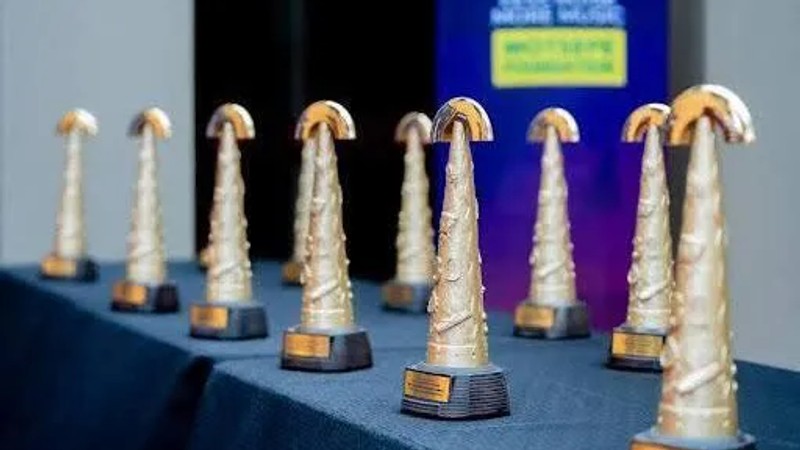
“The Samas have become more than an awards ceremony; they are a national institution that celebrates our identity and reinforces music as both a cultural asset and an economic force.”
Those words from Unathi Gwija, spokesperson for the South African Music Awards (Samas), capture why the annual event continues to hold a special place in South Africa’s entertainment industry.
For more than three decades, the Samas have recognised the country’s finest musicians while helping shape the future of the local music industry.
Organised by the Recording Industry of South Africa (RiSA), the awards have grown beyond a celebration of chart-topping songs into a platform that promotes South African creativity, creates opportunities for artists and strengthens the country’s cultural identity.
Music has always been woven into South Africa’s history.
From traditional songs passed down through generations to gospel, jazz, kwaito, amapiano, maskandi and hip hop, local music reflects the country’s many cultures, languages and lived experiences. I
t entertains, preserves heritage and gives artists a platform to tell stories that resonate with audiences both at home and abroad.
Gwija believes that the Samas have played an important role in making sure those stories are recognised.
“For more than three decades, the South African Music Awards have stood as the country’s premier benchmark for musical excellence, recognising the extraordinary talent, creativity and innovation that define our music industry,” she said.
“The awards have played a pivotal role in elevating artists from local acclaim to national and international recognition while documenting the evolution of South African music across generations.”
Winning or even receiving a nomination at the Samas has often marked a turning point in an artist’s career. The recognition opens doors to new audiences, business opportunities and collaborations while giving musicians greater visibility in an increasingly competitive industry.
The impact also extends beyond the artists themselves.
According to Gwija, the awards contribute to the broader economy through tourism, broadcasting, fashion and live entertainment.
“Beyond celebrating artistic achievement, the Samas have become a powerful driver of the creative economy, sitting at the intersection of music, tourism, fashion, broadcasting and cultural heritage,” she explained.
“Each edition generates significant economic activity for the host destination by attracting visitors, creating employment and showcasing South Africa’s cultural richness to the world.”
Supporting local music has become even more important as digital platforms give listeners access to music from every corner of the globe. While international artists continue to dominate many playlists, local musicians rely on South African audiences to help sustain their careers.
Gwija said that every stream, ticket purchase and concert attendance makes a meaningful difference.
“Supporting local artists is an investment in South Africa’s creative future. Every stream, download, ticket purchase and concert attendance helps sustain an industry that employs thousands of musicians, producers, writers, technicians and creative entrepreneurs.”
She added that local music does far more than entertain.
“Our music tells our stories, preserves our languages, reflects our diverse cultures and strengthens our national identity. When South Africans support local music, they help build sustainable careers for artists while enabling South African sounds to travel beyond our borders and compete confidently on the global stage.”
As music consumption continues to shift towards streaming services and digital platforms, the Samas are also adapting to remain relevant for artists and fans.
Gwija said that embracing digital innovation has become central to the awards’ future.
“The music industry is evolving rapidly, and the Samas are evolving with it. We have embraced a digital-first approach from live streaming key moments such as the nominees announcement to expanding our digital engagement across multiple platforms.”
She believes that technology will create even more opportunities to connect artists with audiences while remaining committed to recognising excellence and nurturing new talent.
“As music consumption increasingly shifts to streaming and digital platforms, the Samas will continue to innovate by integrating new technologies, strengthening digital storytelling and creating more opportunities for artists to connect with fans.”
“At the same time, our core mission remains unchanged: to recognise excellence, nurture emerging talent and provide a platform that helps South African artists build sustainable careers at home and expand their reach across Africa and the global music industry.”
This year’s ceremony promises to celebrate both the industry’s rich history and its future. The 2026 Samas, known as #SAMA32, will take place on Saturday, August 15.
Dubbed the “Homecoming Edition”, the ceremony returns to its traditional home at the iconic Sun City Superbowl in the North West after four years away, bringing the country’s biggest celebration of local music back to one of its most memorable stages.