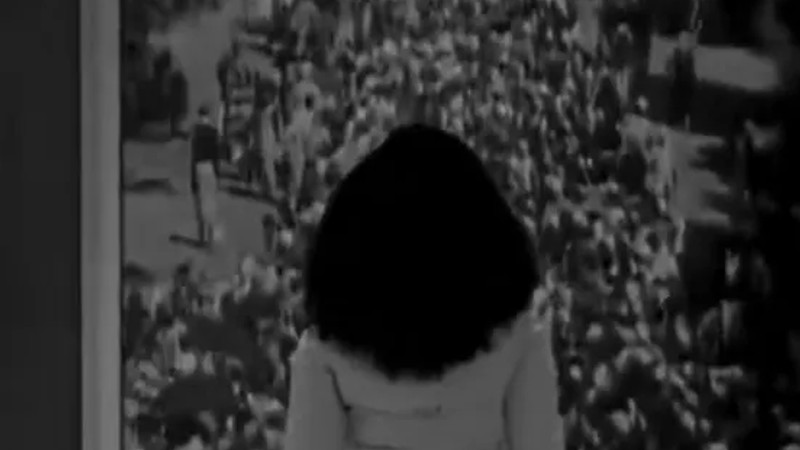
Families of some of South Africa’s most celebrated struggle heroines have condemned Glenlivet over a controversial social media post that they say turned the legacy of the 1956 Women’s March into a marketing tool for whisky.
The families of Lilian Ngoyi, Helen Joseph, Rahima Moosa, Sophia Williams-De Bruyn and Winnie Madikizela-Mandela, together with the Lilian Ngoyi Foundation and the Sophie and Henry De Bruyn Legacy Foundation, have demanded answers from the whisky brand and its parent companies.
In a joint statement issued this week, they accuse Glenlivet of using the history and images of the women who marched against apartheid, as well as Winnie Madikizela-Mandela’s voice, to promote alcohol.
The families said the women’s sacrifices were made in the pursuit of dignity, freedom and a better future, not to be repackaged as advertising material.
Why are the families angry with Glenlivet?
Sophia Williams-De Bruyn said seeing her image used in the advertisement was particularly painful.
She said the advert drew on the record of a life she and her husband, Henry De Bruyn, dedicated to the struggle for freedom.
Williams-De Bruyn said she had never given Glenlivet permission to use her image or legacy.
She also questioned the decision to associate the history of the 1956 Women’s March with alcohol, given South Africa’s ongoing struggles with alcohol abuse and gender-based violence.
“I cannot accept that a history preserved over decades can simply be lifted out of context and turned into a corporate asset at a brand’s whim,” she said.
What did Glenlivet say about the controversial advert?
Glenlivet has removed the post and apologised for what it described as a recent influencer post that drew on the legacy of the 1956 Women’s March.
The company said it “unreservedly apologises” for the post and acknowledged the offence it caused.
Glenlivet also said it was investigating how the post was conceptualised and approved.
The company said the investigation was intended to ensure that a similar incident did not happen again.
Why is Winnie Madikizela-Mandela’s voice part of the controversy?
The families have also raised concerns about the use of Winnie Madikizela-Mandela’s voice in the post.
They argued that her voice should not have been used as an atmospheric element in an advertisement for alcohol.
The families said the controversy goes beyond the removal of the post and Glenlivet’s apology, particularly because material from the campaign continued to circulate online.
Why have the families raised South Africa’s alcohol history?
The families pointed to South Africa’s painful history with alcohol, particularly in black communities.
They highlighted the role of alcohol as a tool of exploitation and control during colonialism and apartheid, including the notorious “dop system”.
Against that historical backdrop, they said linking alcohol advertising to the legacy of the women who marched against apartheid was particularly troubling.
What do the families want from Glenlivet?
The families are demanding a direct engagement with the global leadership of Pernod Ricard and Chivas Brothers, including chairman Alexandre Ricard.
They want to know how the campaign was conceived and approved, what consideration was given to the historical significance of the 1956 Women’s March, and why the families of the women featured were not consulted.
They are also demanding a direct written apology to the affected families.
Will happens next?
The families said they intend to pursue accountability through the Advertising Regulatory Board.
They said their aim is to protect the legacy of the 1956 Women’s March from what they describe as commercial exploitation.
While Glenlivet has withdrawn the post and apologised, the families have made it clear that they regard the matter as unresolved.
For them, the central issue is not simply that the advertisement caused offence, but whether the legacy of South Africa’s struggle heroines should have been used for commercial gain without consultation or permission.
IOL


