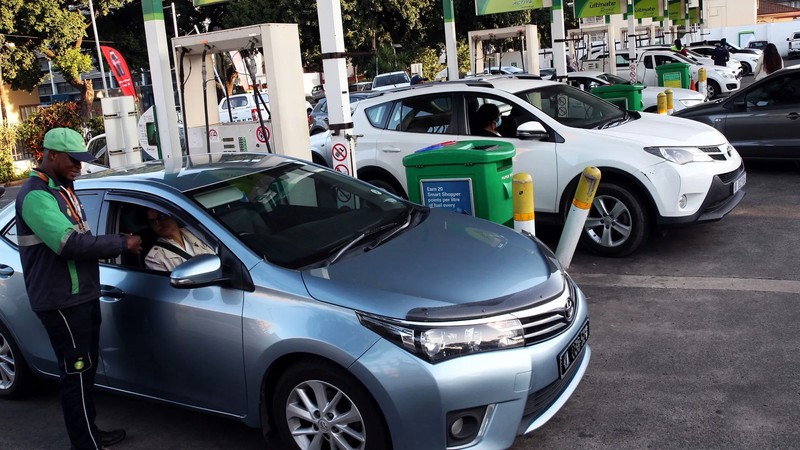
Petrol and diesel prices are set for sharp increases from Wednesday, September 2, after ongoing conflict in the Middle East put international oil prices under pressure.
The Department of Mineral and Petroleum Resources has announced the official fuel price adjustments for September. Both grades of petrol will increase by R1.34 per litre, while diesel is set to rise by between R2.94, in the case of 500ppm, and R3.15 for 50ppm.
Illuminating paraffin will increase by R2.84 per litre.
Following the price adjustments, a litre of 95 unleaded will cost R26.05 at the coast and R26.92 in the inland regions, with the slightly cheaper 93 unleaded now retailing at R26.76.
The wholesale price of 500ppm diesel will rise to R28.23 at the coast and R29.11 inland, with 50ppm costing R28.79 and R30.05 respectively.
Fuel price rollercoaster
2026 has been a highly volatile year for South African fuel prices, with 95 Unleaded petrol having increased by R6.58 between March and September, while the wholesale price of diesel has risen by R10.75 in that time.
The latest price hikes follow mixed adjustments in August, when both grades of petrol decreased by 52 cents per litre at the beginning of August, but diesel increased by between R1.23 (50ppm) and R1.38 (500ppm).
Petrol prices peaked at R27.19 in June, while diesel’s high point was R30.30 in May.
International oil markets have seen significant volatility since the US-Israeli war with Iran began in late February, with the critical Strait of Hormuz oil passage mostly shut to shipping traffic.
Little hope on the horizon
Oil prices currently remain well above their pre-war levels of around $70 per barrel. However, while Brent Crude has traded around the $90 mark for most of August, it is still significantly lower than its highs of around $126 reached earlier in the year.
JP Morgan Global Research now expects Brent crude to average $86 per barrel in the third quarter of 2026, before easing to $80 in the fourth quarter and $78 by the end of the year.
The bank said the oil market had rebalanced as demand losses proved larger than expected, while draws from commercial inventories in OECD countries were smaller than anticipated. China was cited as an example of potential demand destruction.
JP Morgan also expects long-term damage to oil production in the Gulf region to be limited, although uncertainty over the future of OPEC could make oil price forecasts more difficult.
IOL Motoring
Get your news on the go. Download the latest IOL App for Android and IOS now.


