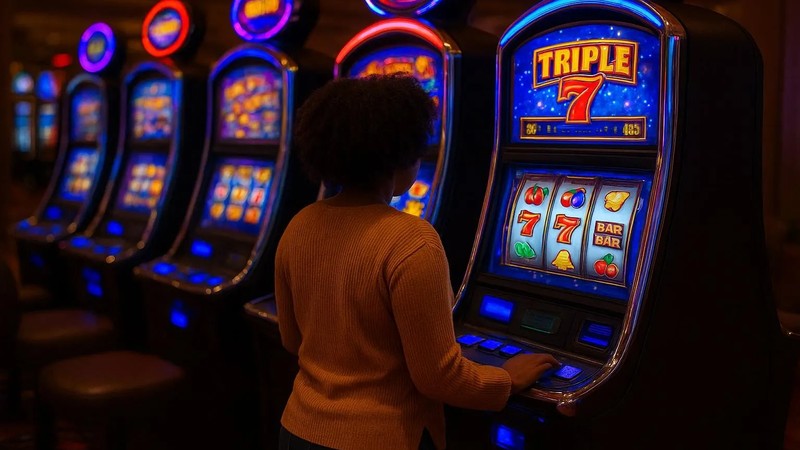
Gambling behavior is a biopsychosocial product of complex interplay of an individual’s reward processing system, cognitive function, particularly cognitive distortions, emotional factors and social factors. To explain gambling behaviour and its addictive element, I have considered some factors that are common in people with gambling behaviour.
Neurobiological Reward System
Humans, like all living organisms with brains, have a neurobiological reward system that encompasses a network of “brain regions and pathways that drive how we feel pleasure, form habits, and motivate behaviour” (Cherry, K, 2025, October 16).
People gamble with the anticipation of winning, and they often do so regardless of the margins or scale of their winning. This anticipation, with or without the experience of winning, could be enough to trigger the surge in dopamine chemical (popularly known as happy hormones) in the brain. This could bring relief, excitement and motivation to go ahead and gamble and to repeat the behaviour even though the person could be having little or no success in gambling.
Cognitive function: Cognitive distortions
People’s ability to make sound judgments, including decisions on calculating the risk inherent to gambling, is often influenced by cognitive distortions that people may have. This also explains people’s skewed judgment and continued gambling even when experiencing massive losses. Here are a few common cognitive distortions:
Illusion of Control: Despite contradicting multiple losses and skewed judgment, a person may think they have control over their ability to gamble or wager.
Person’s Fallacy: A person with a Gambling problem could believe that because they lost yesterday, then the probability of winning is enhanced by the losses, thereby most likely having a much higher chance of winning today. Then they would go ahead and gamble because they believe the results will be the opposite of their previous loss.
Selective Memory: A person with Gambling problems deliberately or unconsciously ignores their losses in favour of remembering their winning or near-winning experiences, which helps them downplay the impact of their losses while motivating them to keep playing.
The effect of near-win experience: A person with Gambling problems could have moments that they could define as closer to winning; “I almost hit the jackpot”. These losses and near-win moments could serve as motivation for continued gambling while downplaying the randomness of gambling and its inherent risk.
Emotional Factors
Persons with emotional difficulties, including those with emotional disorders, could be at a higher risk of gambling addiction. People could find comfort in gambling as it could either provide an escape from emotional distress or provide a false placebo to soothe their emotional wounds.
The anticipation of winning, near-winning or winning experiences could fuel a person with gambling problems to continue gambling. The emotional distress triggered by the losses could be soothed by the effect of the distortions.
Social Influences
Gambling and access to gambling sites could be influenced by factors such as communities’ attitude towards gambling, legislation, access to technology (internet), recreational infrastructure, etc. Example: betting sites are easily accessible on the internet, and cellular phone users could easily access it, thereby providing comfort during moments of boredom, even when people might not have planned to gamble.
Similarly, a high prevalence of marketing of gambling platforms increases the exposure to gambling.
How to spot a person with a gambling addiction
Adapted from Fischer, K (2024, May, Gambling Disorder.)
If a person has some of the following:
- Frequent thoughts about gambling
- Need to gamble with increasing amounts to achieve the desired excitement.
- Repeated unsuccessful efforts to control, cut back on or stop gambling.
- Restlessness or irritability when trying to cut down or stop gambling.
- Gambling when trying to escape from problems or negative mood, or stress.
- After losing an item of value by gambling, feeling the need to continue to get even.
- Often gambling when feeling distressed.
- After losing money gambling, they often return to get even.
- Lying to hide the extent of gambling involvement.
- Losing important opportunities, such as a job or school achievements or close relationships, due to gambling.
- Relying on others to help with money problems caused by gambling
What to do?
Fewer people with a gambling problem could stop on their own (Fischer, K, 2024, May). However, many people would require professional help to deal with their gambling problem (Fischer, K, 2024, May).
A few pointers on what you could do:
- Consider that you may have a gambling problem
- Challenge your beliefs about gambling
- Count your losses
- Weigh the benefits of not gambling
- Take time before deciding on gambling
- Try stop gambling even when you have money
Talk to a professional about your gambling behaviour, even if it’s not a problem
- Professionals such as clinical psychologists, Psychiatrists, social workers, and other organisations that provide help to people with addiction often assist in providing counselling and teaching people techniques that could help resolve gambling addiction.
- Counselling helps in managing psychosocial problems that led to a gambling problem and problems that arose due to gambling.
* Hlomani Fumani is a clinical psychologist and a lecturer at Sefako Makgatho Health Sciences University. He work with individuals, groups and families with psychological problems, including gambling-related behavioural problems..
** The views expressed do not necessarily reflect the views of IOL or Independent Media.


