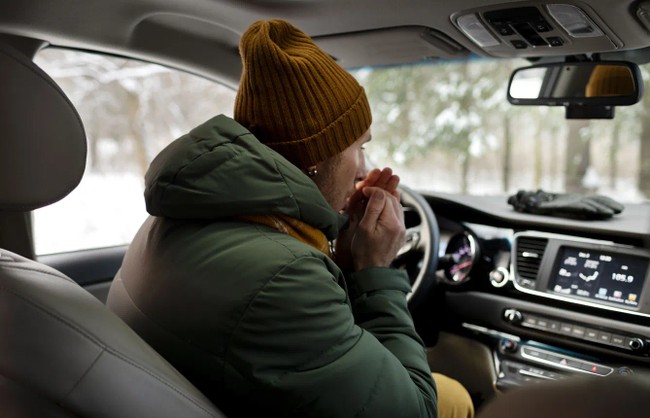
Winter transforms South Africa’s roads in ways that many motorists underestimate. A familiar route can become hazardous within moments as fog descends, daylight fades earlier and temperatures drop. The road you’ve driven countless times can quickly become unfamiliar, making winter one of the most dangerous seasons for road users.
Knowing the road is never a substitute for seeing it.
Dense fog can reduce visibility from clear conditions to almost nothing in a matter of seconds. When visibility drops below 50 metres, drivers are no longer reacting to what they can see—they are relying on memory and assumption. The safest decision is often the simplest: reduce speed, pull over at a safe location such as a service station or truck stop, and wait until conditions improve.
The same caution applies to smoke from veld fires. Smoke can obscure vehicles, pedestrians and road hazards without warning. Treat smoke as a serious hazard, not a minor inconvenience. If visibility becomes compromised, switch on your hazard lights once safely stopped and allow the smoke to clear before continuing your journey.
Winter also brings another hidden danger: driver fatigue.
A warm vehicle, long-distance travel and early morning starts can reduce alertness more quickly than many drivers realise. Professional drivers, freight operators and anyone spending extended periods behind the wheel should schedule regular rest breaks, ensure fresh air circulates through the vehicle and remain alert to the early signs of tiredness. A few minutes spent resting can prevent devastating consequences.
For scholar transport operators, winter requires even greater vigilance.
Every child deserves a safe journey to and from school. Overloading vehicles reduces stability, increases stopping distances and significantly raises the risk of injury during emergency braking or collisions, particularly on wet or icy roads. Safe transport begins with operating within legal passenger limits and ensuring every child travels securely.
Pedestrians also face increased risks during winter as shorter daylight hours reduce visibility.
Whether walking to school, work or home, making yourself visible can save lives. Reflective clothing or accessories, carrying a flashlight when appropriate, walking in groups and using designated pedestrian crossings or bridges all improve safety. Small precautions make it easier for motorists to see pedestrians with enough time to react.
Road safety is ultimately shaped by everyday decisions.
Most crashes are not inevitable. They result from a series of choices—driving too fast for conditions, continuing through poor visibility, overloading a vehicle or taking unnecessary risks. This winter, every road user has the opportunity to make better choices.
Slow down. Stay alert. See and be seen.
The journey may take a few minutes longer, but arriving safely is always worth the wait.
Winter Road Safety: Be Prepared. Stay Alive. Every journey matters.
This road safety message is brought to you by the National Department of Transport as part of the Decade of Action for Road Safety 2021–2030.
Accounting students at Emeris Durban North traded textbooks for teamwork as they raced across campus in an interactive competition designed to test both their academic knowledge and workplace skills.The School of Finance and Accounting recently hosted its annual Amazing Race, bringing together 107 third-year IIE Bachelor of Accounting students in a fast-paced event that blended learning with friendly competition.Divided into 12 teams, students navigated eight stations across campus by solving […]