The South African Sports Confederation, Olympic and Paralympic Committee (SASCOC) has once again been plunged into executive crisis following the immediate suspension of its president, Barry Hendricks.The board’s action follows an independent investigation by retired Judge Basheer Waglay into anonymous complaints alleging serious breaches of SASCOC’s safeguarding policy and Codes Handbook.
Judge Waglay determined that sufficient prima facie evidence exists to refer the matter to the SASCOC judicial body.While SASCOC underscored that the suspension is a procedural measure to safeguard the integrity of the probe and does not imply a finding of guilt, the shift hands temporary executive authority to first vice-president Lwandile Simelane.
The suspension of SASCOC’s chief comes at a precarious moment for South African sports administration. With the 2028 Los Angeles Olympic cycle already under way, the national parent body is attempting to stabilise an administrative landscape crippled by concurrent leadership woes across key federations – including the recent suspensions of Swimming SA president Alan Fritz and CEO Shaun Adriaanse, as well as Athletics South Africa president James Moloi.
Crucially, this is not Hendricks’ first experience with boardroom removal; he was previously suspended in 2020 over allegations of blocking a rival candidate prior to elections, though he was later cleared via arbitration.
Hendricks’ potential departure and the surrounding chaos are far from isolated incidents. They fit a recurring historical pattern for an organisation that has continually lurched from one administrative disaster to another.
1. The 2017-2018 executive disciplinary purge and wiretapping scandal
A bitter internal battle culminated in the suspension and subsequent dismissal of long-serving CEO Tubby Reddy, chief financial officer Vinesh Maharaj, and executive assistant Jean Kelly. The fallout stemmed from extensive investigations into alleged financial misconduct and sexual harassment claims against Reddy. The controversy escalated when senior executives publicly accused rivals of illegally wiretapping SASCOC’s Johannesburg headquarters to intercept confidential board conversations. The prolonged saga fractured board relations, led to years of costly legal disputes, and severely disrupted national sporting operations.
2. The 2018 Zulman Ministerial Inquiry into governance failures
Following public outcry over alleged financial mismanagement and autocratic leadership, Tokozile Xasa, the sports minister at the time, appointed an independent committee of inquiry led by retired Judge Ralph Zulman. The 2018 final report delivered a scathing critique of SASCOC’s executive culture. It cited a “dictatorial” management style under former president Gideon Sam, excessive stipends, vendor contracts awarded without tenders, and deeply entrenched political infighting. The inquiry recommended sweeping governance overhauls and constitutional amendments to curtail executive overreach and restore public trust.
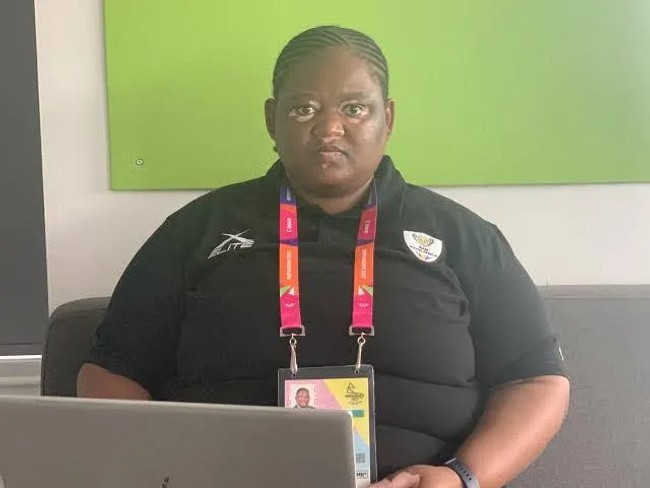
SASCOC first vice-president Lwandile Simelane has stepped in as acting president of the Olympic body.
3. The 2020 presidential election blockade dispute
Prior to SASCOC’s quadrennial board elections in 2020, then-acting president Hendricks was suspended by his own board after anonymous audio recordings surfaced. The leaks suggested that Hendricks had conspired to block a key rival candidate, Aleck Skhosana, who was Athletics South Africa president at the time, from contesting the presidency. The incident delayed elections for months and required independent arbitration to resolve. Hendricks was eventually cleared of wrongdoing by an arbitration panel and reinstated, going on to win the presidency later that year, though the dispute severely tarnished the body’s electoral integrity.
STRIPPED
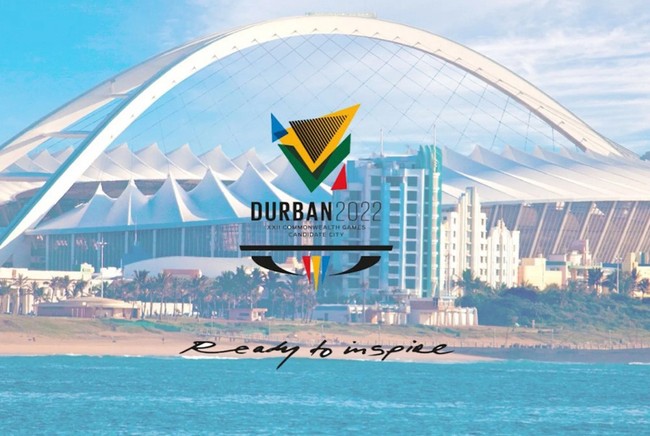
4. Durban stripped of the 2022 Commonwealth Games
In 2015, Durban was awarded the 2022 Commonwealth Games, marking a historic milestone as the first African host city. However, SASCOC and its government partners failed to meet basic contractual deadlines, secure necessary financial guarantees, or set up a functioning organising committee. In 2017, the Commonwealth Games Federation formally stripped Durban of the hosting rights. The debacle caused massive international embarrassment for South African sports administration, wiped out millions in preliminary preparation expenditure, and severely damaged SASCOC’s credibility with global sporting bodies.
5. The National Lotteries Commission (NLC) grant diversion
In 2024, the Special Investigating Unit (SIU) secured a order from the Special Tribunal directing SASCOC and former executive officers to repay nearly R25m. The tribunal ruled that a 2016 National Lotteries Commission grant – explicitly earmarked for high-performance athlete development and Olympic preparation – had been unlawfully funneled through an uninvolved non-profit conduit using forged documentation and fraudulent identities. The ruling exposed deep compliance failures within SASCOC’s financial controls and sparked widespread calls for criminal prosecution.
Land Reform and Rural Development Minister Mzwanele Nyhontso says the government does not have updated statistics on land owned by foreign nationals, with the latest available audit showing that they owned 0.56% of South Africa’s total land area.Nyhontso was responding to a parliamentary question from African Transformation Movement (ATM) MP and leader Vuyo Zungula, who asked what percentage of land in the country was owned by foreign nationals and foreign-owned […]