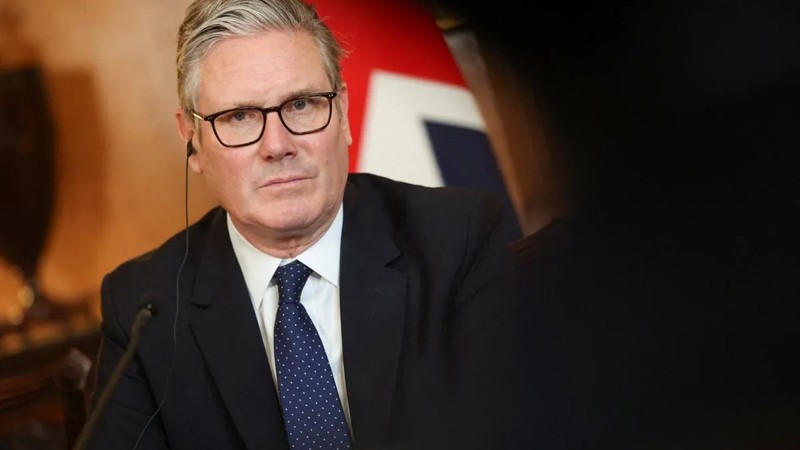
Embattled British Prime Minister Keir Starmer has resigned.
Government ministers said the Labour leader was reflecting on his political future over the weekend.
Britain will get its seventh prime minister in a decade — an unprecedented rate of churn in its modern history.
Even US President Donald Trump was predicting Starmer’s imminent departure from Downing Street, writing on Sunday on his Truth Social platform: “Keir Starmer will resign”.
The American leader, who initially enjoyed a good rapport with Starmer before the Iran war ruptured the relationship, said Starmer had failed on immigration and energy policies.
Burnham — Greater Manchester mayor since 2017 — has made clear he intends to bid to lead slumping Labour, warning in his by-election victory speech the ruling party had a “final chance to change”.
If successful, the 56-year-old could become prime minister by default unless there are any other challengers for the post, given that Labour has a huge parliamentary majority.
– ‘Time to reflect’ –
Starmer, who is deeply unpopular with voters according to polling, reportedly spent the weekend holed up with his family at Chequers, the countryside retreat for prime ministers, holding talks with allies.
Business Secretary Peter Kyle told Sky News on Sunday Starmer was “making time to reflect on the political realities, challenges and opportunities that he finds himself in”.
The Guardian reported Starmer and his inner circle were working on his resignation speech.
It said the most likely timetable would see Starmer stay in office until after the summer, with the new leader to be hailed at the party conference in late September.
Foreign Secretary Yvette Cooper was among the senior ministers telling her boss to go, according to Sky News, while more than 100 of Labour’s 403 MPs have reportedly urged him to resign.
Starmer, who took office in July 2024, has been clinging to power for months after a tenure littered with missteps, policy U-turns, scandals and ministerial resignations.
He was nearly ousted in March, over his ill-fated decision to appoint Peter Mandelson, a known associate of late sex offender Jeffrey Epstein, as the UK’s ambassador to Washington.
Labour’s drubbing in local and regional polls in England, Scotland and Wales last month once again intensified the pressure.
The fallout from the May polls saw Makerfield’s previous Labour MP quit, gifting Burnham a path to becoming an MP, and challenge Starmer for the party leadership.
A former MP and government minister in the 2000s, Burnham defied national trends by easily beating the hard-right, populist Reform UK party’s candidate.
Burnham, from the so-called soft-left wing of Labour, has provided little detail about his plans for government if he wins power.
UK media say he intends to replace finance minister Rachel Reeves, while retaining interior minister Shabana Mahmood.
AFP


