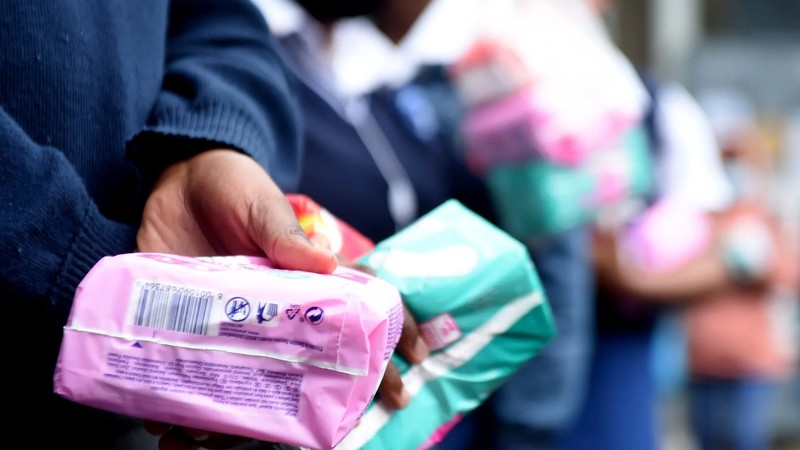
For decades, menstrual health conversations have focused on access. We have fought to ensure that girls stay in school, women can go to work, and menstrual products become more accessible to those who need them most. These efforts are important and necessary.
But there is a question we are not asking often enough:
What exactly are women putting into their bodies every month?
Millions of women use sanitary pads throughout their reproductive years. On average, a woman may use thousands of pads over her lifetime. Yet very few stop to ask what these products contain, how they are manufactured, and what the long-term effects of repeated exposure to certain chemicals may be.
The reality is that quality matters.
Many conventional sanitary products contain synthetic materials, fragrances, dyes, adhesives, and chemical compounds that consumers know little about. While these products meet regulatory standards in many markets, growing global research and consumer awareness have raised important questions about transparency, safety, and the cumulative impact of prolonged exposure.
Women deserve to know what they are using.
Menstruation is not a luxury. It is a natural biological process experienced by billions of women around the world. Yet products designed for such an intimate and recurring part of life often receive less scrutiny than many of the products we consume or apply to our skin.
This should concern all of us.
Every month, women rely on sanitary products for comfort, protection, and confidence. When this use is repeated year after year, the quality of those products becomes more than a consumer issue—it becomes a public health issue.
As leaders, healthcare professionals, manufacturers, and policymakers, we must challenge ourselves to think beyond affordability alone. Access without quality is not enough.
The conversation must evolve from simply providing pads to providing safe, high-quality, and environmentally responsible menstrual products.
This is one of the reasons we take pride in supporting initiatives that donate eco-friendly sanitary pads to communities in need. Women and girls should never have to choose between accessibility and quality. They deserve both.
Eco-conscious menstrual products not only reduce environmental waste but also encourage manufacturers to prioritize safer materials, greater transparency, and more sustainable production methods. This shift benefits women, communities, and the planet alike.
The future of menstrual health lies in informed choices. It lies in empowering women with knowledge about the products they use and encouraging greater accountability across the industry.
My challenge to every woman is simple:
The next time you purchase sanitary pads, ask questions. Look beyond the packaging. Consider the materials, the quality, and the manufacturer’s commitment to safety and sustainability.
Because menstrual health is about more than managing a monthly cycle.
It is about protecting women’s health, preserving dignity, and ensuring that the products designed for women truly serve their best interests.
Women deserve products that prioritize their wellbeing—not just their convenience.
*Dr. Vivian Mokome is an esteemed businesswoman, multi-award winner, business strategist, and transformational leader.
**The views expressed do not necessarily reflect the views of IOL