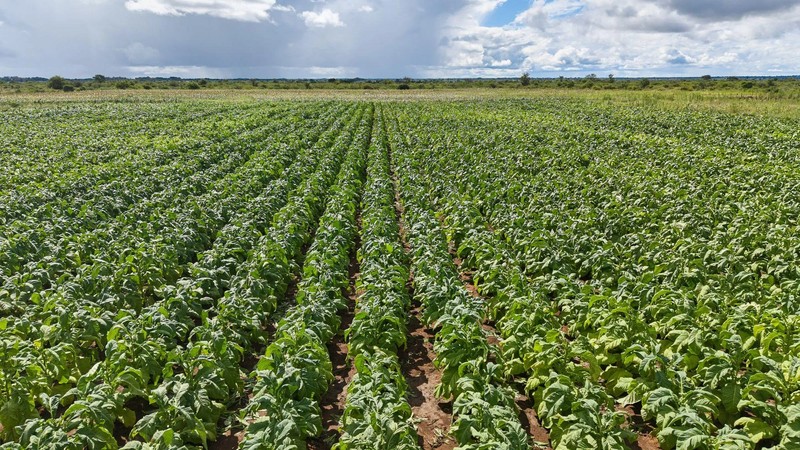
Zimbabwe has paid or issued compensation worth more than $500 million (R8.5 billion) to former white commercial farmers whose land was seized during the country’s controversial land-reform programme, as the government seeks to resolve a long-running dispute and improve its standing with international creditors and investors.
According to Bloomberg, compensation has reached about $508 million in US dollar-denominated Treasury bonds, in addition to $12.6 million paid in cash. Deputy Finance Minister Kudakwashe Mnangagwa said farmers had accepted the bonds as part of the revised compensation arrangements.
The payments form part of a much larger agreement reached in 2020, when Zimbabwe committed to paying $3.5 billion to former commercial farmers. The government subsequently changed the structure of the deal to include dollar-denominated bonds, with some farmers initially rejecting the revised offer.
The dispute dates back to 2000, when then-president Robert Mugabe’s government accelerated its land-reform programme. Thousands of predominantly white-owned commercial farms were occupied or seized and redistributed to black Zimbabweans, with the government arguing that the process was necessary to address the severe land imbalances inherited from colonial rule.
The programme was accompanied by a sharp decline in agricultural production. The International Monetary Fund has previously noted that more than 80% of former commercial farmland had been redistributed by 2004, while agricultural output fell substantially during the early years of the programme.
Repairing international relations
The government later agreed that former farmers should be compensated for improvements made to the land, rather than for the land itself.
The issue remains important as Zimbabwe attempts to resolve its debt problems and re-establish relationships with international financial institutions and foreign investors. The IMF has identified land-tenure reform and compensation for former farmers as one of the areas linked to Zimbabwe’s efforts to clear arrears and normalise relations with international creditors.
The country’s economic dependence on agriculture has also changed considerably since the land seizures.
Agriculture was once one of Zimbabwe’s principal sources of foreign currency, with tobacco, cotton, sugar, horticultural products and other crops contributing significantly to exports. Tobacco alone accounted for more than half a billion dollars in export earnings in 1998, according to IMF data.
Mining economy
Today, mining plays a much larger role in Zimbabwe’s export economy. Gold, platinum-group metals, nickel, chrome and other minerals have become major sources of foreign exchange, with gold among the country’s biggest export earners.
Tobacco remains an important export and agriculture continues to employ large numbers of Zimbabweans, but the economy is now considerably more reliant on minerals than it was before the land-reform programme.
That shift has increased the importance of attracting investment into both mining and agriculture, while Zimbabwe continues to grapple with debt arrears and restricted access to international finance.
Zimbabwe has also taken other steps aimed at repairing relations with foreign investors. The government has begun returning some farms previously seized from European nationals whose countries had investment-protection agreements with Zimbabwe.
For President Emmerson Mnangagwa’s administration, the compensation programme therefore sits within a broader attempt to improve Zimbabwe’s economic credibility.
The challenge is to convince international investors and creditors that the country can provide greater policy stability and respect for financial and property commitments, while preserving the redistribution of land achieved through its post-independence reforms.
IOL Business
Get your news on the go. Download the latest IOL App for Android and IOS now.


