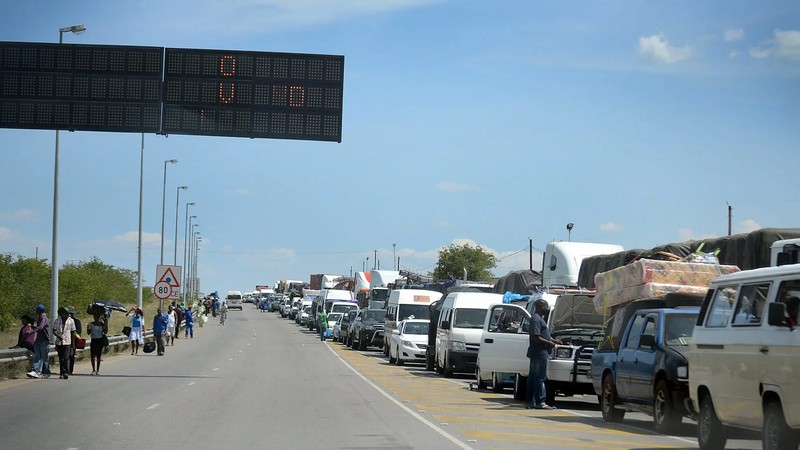
South Africa’s busiest land border is operating under severe resource constraints, with only 40 body cameras available for approximately 600 border guards and just four surveillance drones deployed nationally, the Portfolio Committee on Home Affairs revealed following an urgent oversight visit to Musina and the Beit Bridge Port of Entry.
The committee concluded its two-day oversight visit on Wednesday, assessing operational challenges facing the Border Management Authority (BMA) and other agencies responsible for securing the country’s busiest border crossing.
During the visit, committee members inspected facilities, observed border operations and engaged with management on the challenges affecting border security and immigration enforcement.
Among the most pressing concerns identified were shortages of personnel, outdated technology and inadequate equipment, which the committee said continue to undermine the BMA’s ability to effectively safeguard South Africa’s borders.
The committee heard that only 40 body-worn cameras are currently available for around 600 border guards deployed across ports of entry and border law enforcement operations nationwide. The BMA has indicated its intention to equip all operational field officials with body cameras to enhance accountability, transparency and officer safety.
Members also raised concerns about the continued reliance on manual luggage inspections for passenger buses leaving South Africa. Officials told the committee that time constraints prevent them from thoroughly searching every item, creating potential security vulnerabilities that could be addressed through modern scanning technology.
Staff shortages were also identified as a major operational challenge. Border guards are frequently required to perform immigration administrative duties, reducing the number of personnel available for frontline border protection.
The committee further learned that some immigration software systems have become outdated, while additional equipment is needed to improve operational efficiency.
Technology limitations at the port of entry were also highlighted. Officials currently rely on a single mobile scanner powered by rechargeable batteries. Once the battery is depleted, inspections are interrupted until the scanner has been fully recharged.
The committee was additionally briefed on the BMA’s use of drone technology for border surveillance. South Africa currently has only four drones available nationally, each requiring two qualified pilots. This means only eight drone pilots are available across the country.
According to the committee, while the drones can cover distances of up to 10 kilometres and operate at altitudes of approximately 10,000 feet above ground level, the limited fleet significantly restricts surveillance capabilities along the country’s extensive borders.
Portfolio Committee Chairperson Mosa Chabane said the oversight visit underscored the urgent need for greater investment in border security.
“Our oversight has demonstrated that BMA is making progress under difficult circumstances, but its effectiveness is being constrained by inadequate funding, insufficient personnel and outdated technology,” Chabane said.
“If South Africa is serious about securing its borders while facilitating legitimate trade and travel, investment in the Authority cannot be delayed.”
Despite the challenges, Chabane commended officials working at the border.
He said the committee was encouraged by “the commitment and professionalism displayed by officials working under demanding conditions”.
IOL News


