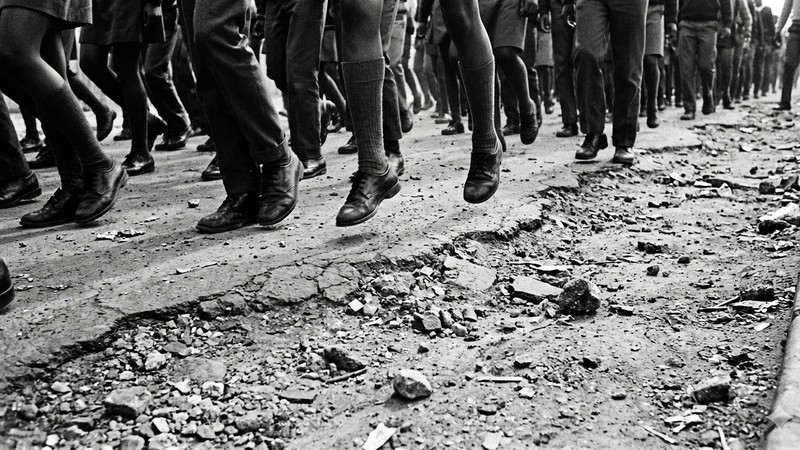
Fifty years ago, on June 16, 1976, thousands of South African youth took to the streets in protest of the apartheid regime’s Bantu Education policy.
In 1974, the regime decreed that Afrikaans should be the language of instruction in Black schools, alongside English, effectively banning mother-tongue language instructions in schools.
Black students, teachers, and parents strongly rejected the policy forcing pupils to learn in the language of the oppressor, which exacerbated the existing policies that saw an inferior standard of education and significantly reduced funding to Black schools.
Many viewed this as a further move by the oppressive apartheid government to intentionally cause Black students to fail academically.
The discontent grew, and finally, on June 16, 1976, culminated in the Soweto Uprising, which kickstarted a series of youth protests across the country as young South Africans stood up for their rights.
Hundreds of students lost their lives as the protesting youth were met with the iron fist of the apartheid regime, resulting in one of the most horrific massacres at the hands of the government in South Africa’s history.
Their sacrifice eventually led to the Bantu Education Act being repealed in 1979, although segregation and unequal education continued until apartheid was dismantled in the 1990s.
As we mark 50 years since the Soweto Youth Uprising, IOL invites you to walk in their shoes, from the early planning of the peaceful march to Orlando Stadium, to the live gunfire that cut short the lives of at least 575 young people, as captured in harrowing pictures by Independent Media’s own Alf Khumalo. Trace their steps in an immersive commemoration of the origins of Youth Day.
IOL


