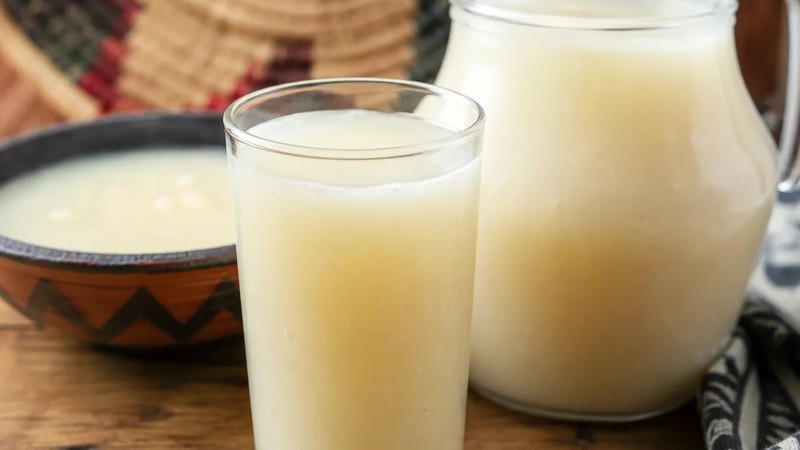
Long before energy drinks and flavoured beverages filled supermarket shelves, South Africans were reaching for a refreshing glass of homemade amahewu.
This traditional fermented maize drink has been enjoyed for generations, with recipes passed down from parents and grandparents.
Affordable, nourishing and made with just a handful of pantry staples, amahewu remains a favourite in many homes. Its distinctive tangy taste develops naturally through fermentation, making patience the most important ingredient of all.
Whether served as a hearty breakfast, an afternoon refresher or a light snack, amahewu continues to bring a taste of tradition to family tables across the country.
Ingredients
- Two litres of water
- One cup maize meal
- Half a cup cake flour (optional, to help the fermentation process)
- One small pinch of salt (optional)
Method
Bring one and a half litres of water to the boil in a large pot.
In a separate bowl, combine the maize meal and cake flour, then gradually mix in the remaining half litre of cold water until the mixture is smooth and free of lumps.
Slowly pour the mixture into the boiling water while stirring continuously to prevent lumps from forming.
Reduce the heat and simmer for 30 to 40 minutes, stirring occasionally until the porridge is fully cooked.
Remove the pot from the heat and allow the porridge to cool completely. If using salt, stir it in once the porridge has cooled.
Transfer the cooled porridge to a clean container with a lid. Cover loosely rather than sealing it tightly to allow natural fermentation.
Leave the container in a warm place for between 24 and 48 hours. During this time, naturally occurring microorganisms will ferment the mixture, giving amahewu its characteristic sour flavour.
Once fermented, stir the amahewu well. If it is too thick, gradually add cold water until it reaches your preferred consistency.
Refrigerate before serving. They are best enjoyed chilled and are typically consumed within four to five days.
The beauty of traditional amahewu lies in its simplicity. Without relying on yeast or artificial ingredients, this humble drink showcases the age-old practice of natural fermentation.
It is a recipe that has stood the test of time, connecting generations through flavour, tradition and the simple pleasure of making something wholesome from everyday ingredients.
IOL
Get your news on the go. Download the latest IOL App for Android and IOS now.


