As the Springboks continue their series against the All Blacks, fans are focused on the modern nature of the sport’s greatest rivalry. But the foundation of this century-old contest traces back to the inaugural 1928 tour when a 19-year-old local forward achieved a historic first on African soil.
Before the professional era, international rugby was a game played by men who inevitably had to return to their day jobs.
For Albertus Viljoen “Oupa Alvi” van der Merwe, that meant leaving the rugby pitch to work the soil of the Breede River Valley.
1928 Opening Match at Newlands
The rivalry officially began in 1928 when the New Zealand national team arrived by boat for a three-month tour of South Africa. They carried a fearsome, almost unbeatable reputation, and local sides knew they were facing a brutal physical challenge.
On May 30, 1928, the tourists faced Western Province Country in the opening match of the tour at Newlands in Cape Town. Stepping onto the pitch that day was Van der Merwe, a heavyset, 5-foot-10 forward born in Rawsonville.
Though only 19 years old, the teenager was a sturdy, hard-working player who had built his physical strength working on his family’s fruit farm.
The All Blacks secured victory that afternoon, grinding down the local defence. However, the defining moment of the match belonged to the young South African: breaking through the visitors’ line, Van der Merwe crashed over the try line, becoming the first player in history to score a try against a touring New Zealand team on African soil.
Springbok #221
That singular performance caught the attention of national selectors, proving the young farmer possessed the grit required for international rugby.
Three years later, during the 1931–1932 tour of Britain and Ireland, Van der Merwe earned his official national call-up.
He made his Springbok debut playing as a wing-forward against Wales at St. Helens in Swansea, officially becoming Springbok number 221.
Building Alvi’s Drift
In 1930, shortly after his breakthrough rugby seasons, Van der Merwe built a low-water bridge across the Breede River near Worcester to connect his family’s property with the surrounding valley. Locals colloquially named the crossing “Alvi’s Drift”.
The low-water bridge across the Breede River near Worcester, constructed by Albertus “Oupa Alvi” van der Merwe in 1930.
Van der Merwe spent the remainder of his life maintaining his farming operations before passing away in 1986 at the age of 78. Today, that bridge lends its name to the Alvi’s Drift winery, run by his family.
For the former forward, the transition from team sports to farming was natural. As Oupa Alvi often noted: “You don’t make good wine alone. It’s a team effort.”
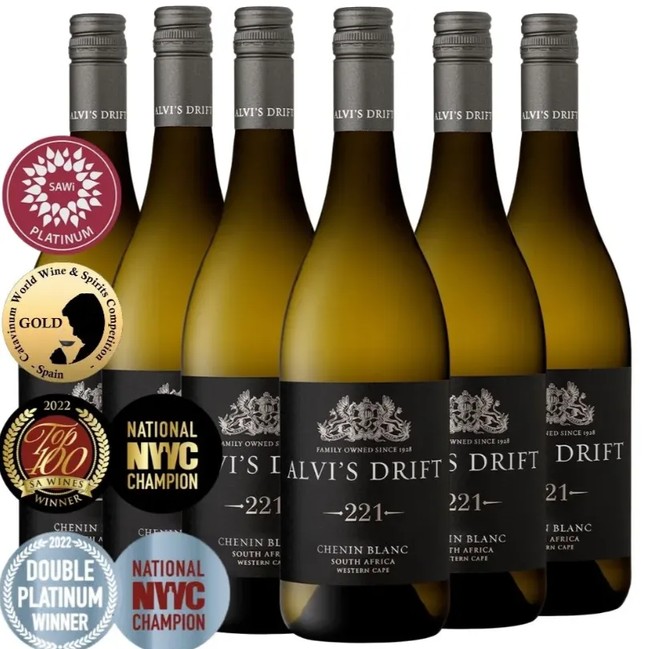
The winery’s “221” range is a direct tribute to his Springbok cap number, a reminder of a young farmer who, in one afternoon in 1928, scored against the invincible All Blacks.
However, his grandson and current Alvi’s Drift winemaker, Alvi van der Merwe, notes the label is designed to stretch beyond the rugby pitch.
“221 was never meant to be only about rugby, sport, or one person’s achievement,” Van der Merwe says. “It is about the stories people share around a table, including family stories, old memories, and ordinary evenings that stay with you.”
Alvi’s Drift 221 Chenin Blanc.
As fans watch the latest chapter of the Springbok-All Blacks rivalry unfold today, the roots of the contest remain tethered to the muddy pitches and amateur players of a century ago.
R&B singer Miguel and filmmaker Margaret Zhang are expanding their family, with the couple reportedly expecting their second child.Zhang debuted a visible baby bump while accompanying Miguel at the HollyShorts Film Festival in Los Angeles on Sunday, August 23. The couple attended a special screening of Papá Melissa, a documentary they both executive produced, prompting speculation online that they are preparing to welcome another baby.Neither Miguel nor Zhang has publicly […]