When the Sharks launched their rebrand a week ago, to a mixed reaction from supporters, I was cast back to the early days of my sports-writing career.
It was the beginning of 1996, and I was brand new to The Mercury sports department. This was still the heyday of newspapers. The internet was just warming up, and mobile phones were crude, brick-like devices used only for making calls, so the good old newspaper was the primary means — rivalled only by the 8pm television news and radio broadcasts — through which the public received information.
It was also a means for the public to vent its spleen. That old expression, incidentally, dates back to medieval times, when medicine men believed anger was stored in the spleen. And to “vent” is to release air or gas, which is exactly what Natal rugby fans did when they learned their team had been rechristened the Natal Sharks.
No more Banana Boys after more than 100 years. Hello, Sharkie.
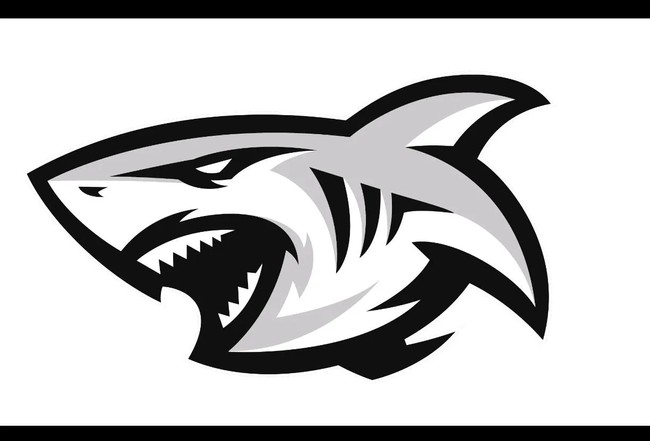
New Sharks badge.
It was sacrilege in the eyes of a massive army of Natal rugby fans that had been swelling throughout the 1990s, after Craig Jamieson’s team had won the Currie Cup in 1990, and again in 1992 and 1995, just a few months before the rebranding.
The letters pages of the local newspapers crackled with anger. The telephone switchboard was jammed. The Mercury ran a poll on the issue. Overwhelmingly, the Banana Boy was backed. Poor Sharkie barely got a vote.
But Sharks CEO Brian van Zyl and his board had done their homework. They understood that if they modernised quickly, they could steal a march on their South African rivals.
Remember, the 1995 World Cup in South Africa marked the end of the amateur era. By the end of that year, rugby was finally professional. Rugby unions and their players were at last free to make money. No more paltry payments in brown envelopes under the table.
Van Zyl and Co knew it was coming. In late 1995, a task team went to the UK and the US to meet football, American football and basketball teams. The discussions centred on branding and merchandise: what worked and what didn’t.
On that trip was Hugh Reece-Edwards, the Natal rugby legend. I recall “Reece” telling me that the Manchester United brand manager told them: “Well, you can’t market a banana.”
Hence, the feisty Sharkie was created.
And here is the interesting thing: in May 1996, the Sharks reached the Super 12 final against the Auckland Blues. They lost to Sean Fitzpatrick’s great team at Eden Park, but by then the hullabaloo about the Banana Boys being booted into touch had died down.
Later that year, it was all but forgotten as the Sharks beat Transvaal in the Currie Cup final at Ellis Park, spearheaded by a magnificent performance from André Joubert. The Grand Old Lady, as the Currie Cup was known, was still at the height of her powers, and when the Sharks returned to Durban, they were given a ticker-tape parade through the city centre.
At that time, the Sharks were South African rugby’s trailblazers. Their rivals were left for dead but ultimately followed in the Sharks’ footsteps. They were playing catch-up, and the Lions, Stormers, Bulls and Cheetahs were born.
Thirty years later, the Sharks have tweaked their branding again. They want to make it easier to market the team beyond traditional rugby audiences. That is particularly important as professional rugby increasingly competes in the broader sports and lifestyle market.
Key to it is making the Sharks a “Club”.
Personally, I can’t stand that soulless word “franchise”, while “province” and “union” sound boring and outdated.
Once again, the Sharks have consulted overseas with some of the world’s leading sports teams. Bordeaux, Toulon, Toulouse, Northampton, Bath and Saracens are all “Clubs”.
I am more than happy that the Durban team is now officially the Sharks Rugby Club.
New Sharks logo looking ferocious.
The Stormers, by the way, are also now a “Club”. The Capetonians rebranded last year, designing a new jersey badge and streamlining their identity by stripping “Western Province” from team names.
But — and this is important — they protected the Western Province heritage by putting the famous blue-and-white hoops on the Stormers jersey.
Stormers fans barely blinked. The team continues to enjoy the best stadium attendance in South Africa by some margin.
Likewise, the Sharks continue to play in black and white, as they have done since 1890.
Another misconception is that Sharkie has been discarded. The actual mascot was in the stands, dancing with fans, when the Sharks XV hosted Boland in a Currie Cup match in KwaMashu a week after the new rebrand.
Yes, there is a revised Sharkie icon — looking a touch more ferocious — which will be used primarily in match promotion and advertising. But the “old” Sharkie merchandise is still very welcome in the stands at Kings Park.
And perhaps that is the real lesson from the Sharks’ history of rebranding. Thirty years ago, supporters feared that changing the name meant abandoning everything they loved about Natal rugby. Instead, the Sharks went on to become one of the strongest brands in world rugby.
The Banana Boys were not erased; their history simply became part of a bigger story. The same should apply now. A modern club needs to evolve if it wants to attract new audiences, but it should never forget the people and traditions that built it.
If the Sharks can get that balance right, this latest rebrand could prove to be another step forward rather than a break with the past.
A retired police captain, Ashley Houston, has sharply contradicted the father of slain alleged drug kingpin Bevan Loftus, describing the deceased as “notorious” and placing him among feared criminal figures in KwaZulu-Natal.Testifying before the Madlanga Commission on Thursday, Houston said Bevan had previously been seen associating with members of a dangerous gang, challenging his father Gregory Loftus’s insistence that his son was a legitimate businessman with no involvement in crime.Gregory, […]