South Africans are currently trying to keep their head above water as inflation rises, food prices increase, and electricity prices soar, but seem to have forgotten about the water crisis our nation faces.
South Africa is the 33rd driest country in the world.
The 2026 Food Indaba took place this week with the theme: Water system and food system.
During it’s one-day conference held in Cape Town, experts, academics, and stakeholders from various sectors discussed the way forward to avoid the nation running out of water.
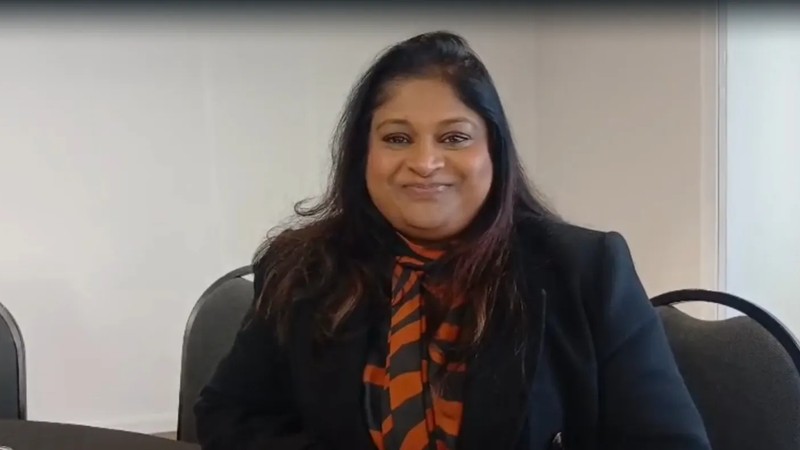
Head of the Nature, Climate and Energy portfolio at the United Nations Development Programme South Africa, Deshni Pillay, said the water crisis was no longer about water but it started showing up on the dinner plate.
What is water bankruptcy?
Pillay made mention of the time in 2018 when Cape Town faced ‘Day Zero’, and the threat of taps running dry was real.
“People think the water crisis starts when taps stop running, but it starts when food prices start increasing,” she explained.
She explained that while the effect of a water bankruptcy may not be felt now, farmers producing food tend to feel the pinch first when boreholes have to dig deeper, pumps work harder, and minimising their harvest due to reduced access to less water.
“Water bankruptcy doesn’t just happen overnight. Like financial bankruptcy, it begins silently. Small deficits accumulate whilst our natural capital gets depleted. Warning signs are ignored, and then suddenly the whole system begins to fail. The most dangerous thing about water bankruptcy is that most people don’t see it coming until it’s too late,” she said.
Pillay explained the first signs of water bankruptcy is often not an empty dam, it’s an expensive loaf of bread or shrinking harvest, or a closed factory, or a family’s grocery basket becoming smaller each month.
“Often the connection is not made because water is the invisible ingredient in everything. Most people do not see water when they’re buying bread or when they purchase vegetables. Yet, every meal begins with water,” Pillay said.
How does water scarcity affect our economy?
She explained that when water declines, the crop yields decline, food prices increase, farm income shrinks, agricultural jobs disappear, nutrition worsens, and poverty and inequality deepen.
“Cape Town taught us all a profound lesson; food security is impossible without water security. The same lesson is now emerging across South Africa. Water disruptions across Gauteng. Infrastructure failures in eThekwini. And, all the recurring droughts across multiple provinces declining ecological health in our critical catchments. Together they reveal a sobering reality, South Africa’s water challenge is not only a climate change issue. It’s becoming an infrastructure, ecological, governance, and a developmental challenge,” Pillay said.
She said the South African economy is at risk as water bankruptcy threatens more than just households and farms but threatens the nation’s future prosperity.
“Water bankruptcy is being called a polycrisis because it is not just one crisis but many crises feeding each other simultaneously,” Pillay said.
Solutions to avoid water scarcity in South Africa
While the picture is bleak, Pillay said there is hope.
“Across South Africa, different responses are taking place. Communities are rising up and restoring methods. Catchments are being rehabilitated. Nature-based approaches are being scaled. Climate resilience investments are being made,” Pillay said.
Health ecosystems are not a luxury, they are vital ecological infrastructure that needs to be managed more sustainably.
“Nature is the foundation on which food systems, livelihoods, and economies are built,” Pillay said.
She further emphasised the importance of working alongside communities that live and conserve water.
“The future begins upstream and that’s where our efforts need to be. The story of water bankruptcy is not really a story of scarcity, it’s a story of choices. Choices and decisions that policy makers and decision makers make about how we manage our future. How we grow our food and how we invest in the economy,” Pillay said.
She further stated South Africa is not starting from zero, across the country, farmers are adopting resilient practices, scientists are improving forecasting and developing early warning systems, and municipalities are starting to explore new approaches to water scarcity.
“Businesses are investing in innovation. But, most importantly, citizens are demanding change. Solutions are there. We all need to come together to ensure that the right knowledge exists so that decision makers and policy makers can one day ensure that we have water security together with food security,” Pillay said.
robin.francke@iol.co.za
IOL


